
The origins
In the early 1970s Italo Di Filippo and Giuseppa Colamarco They leave Salerno to trace Italo’s maternal roots in Cannara.
The Umbrian countryside won them over straight away: time passes more slowly, the chaos of the city seems far away, and life still follows the rhythms of nature. In Cannara, many roads are still unpaved and the fields are ploughed with oxen.
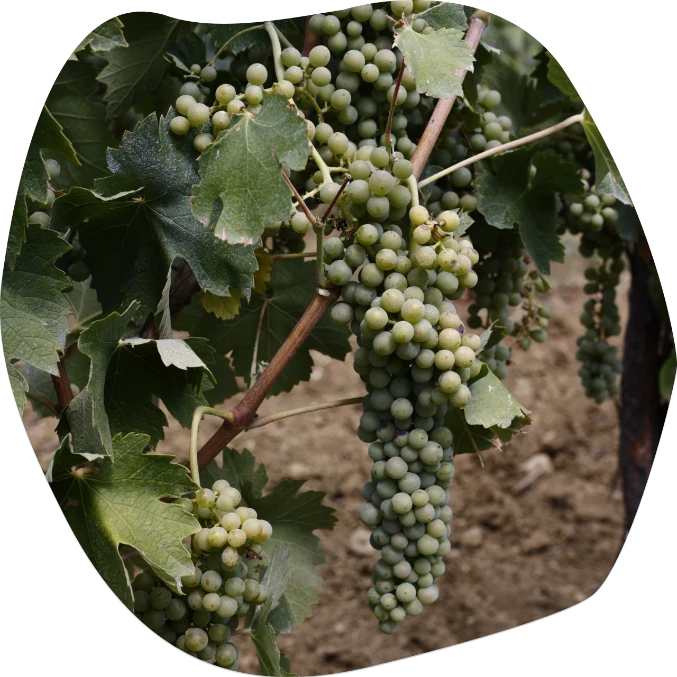
They buy the farm in Villa Conversino and, against the advice of many local farmers, they began planting the vineyard.
As Italo points out:
“We started planting the vineyard, first one hectare and then another. For the local farmers, this was unusual: everyone had a small vineyard to produce wine for the family and cultivated the rest of their land with cereals and fodder, which they believed were more profitable. We, on the other hand, had a clear vision: we wanted to plant vineyards to produce wine. And we didn’t let anyone influence us.”
The first vineyards
Whilst the new facilities are taking shape, the remaining land is being used to grow wheat, barley, sunflowers and sugar beet to support the investment required to get the business off the ground.
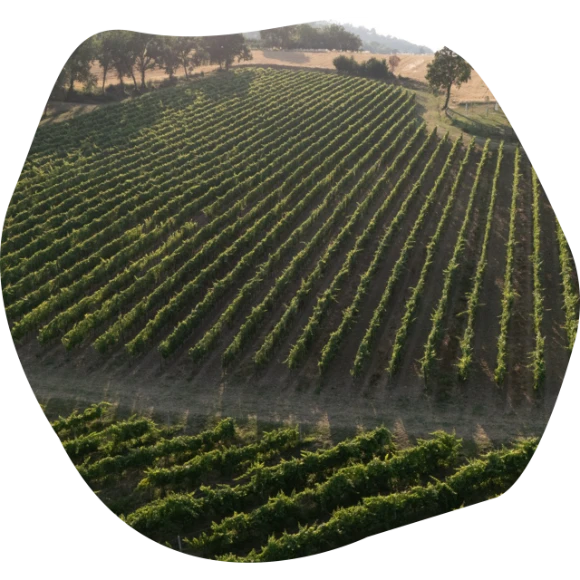
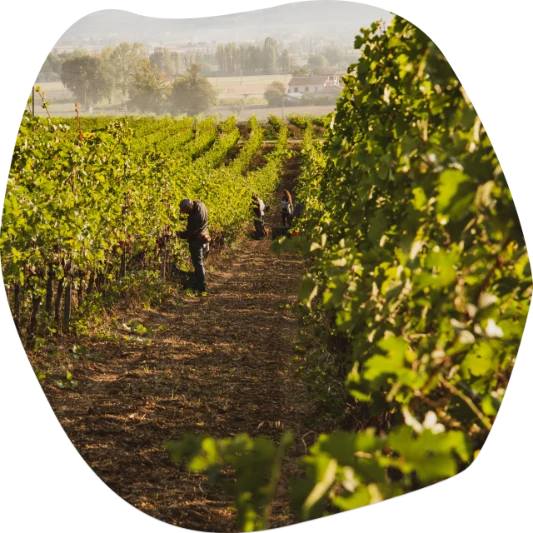
In the 1970s, planting a vineyard required patience and a great deal of manual labour. Stake by stake, Italo and Giuseppa laid out around ten hectares of vineyard, laying the foundations for the estate’s future.
The first wine-making processes
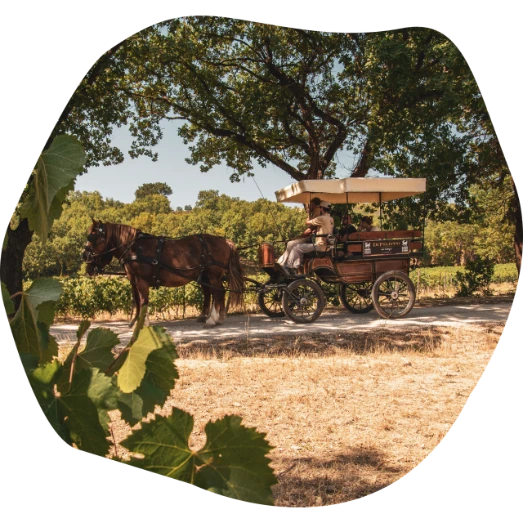
The first batches of wine were produced in the family garage. In the early 1980s, the first production hall was built on the site that still houses the winery today.
During the same period, the estates of Santa Lucia and San Nicolawere purchased. The new facilities enabled the company to expand its vineyard to 22 hectares by the early 1990s.
From large formats to bottles
Initially, the wine was sold in 28- and 54-litre demijohns, which Italo delivered himself throughout Italy in an old Iveco 50.
“It held 35 54-litre demijohns and 77 28-litre demijohnlets.”
The demijohns were then replaced by 5-litre bottles, and in the 1990s the first bottles appeared, marking a significant commercial development.
The 1990s
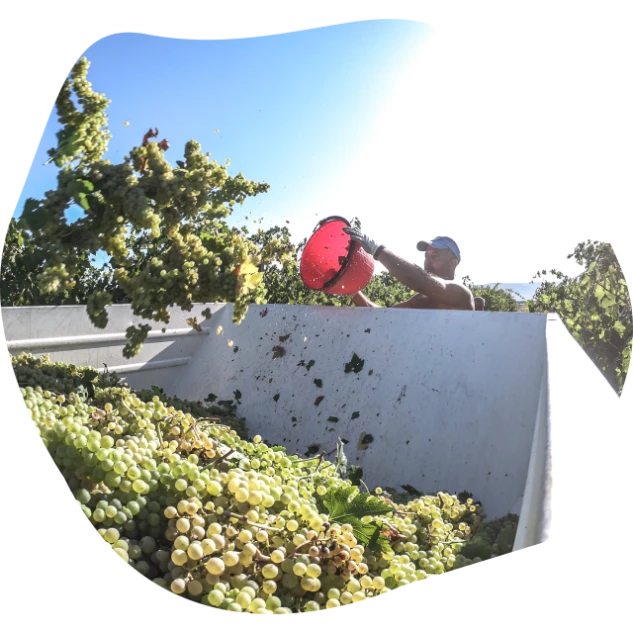
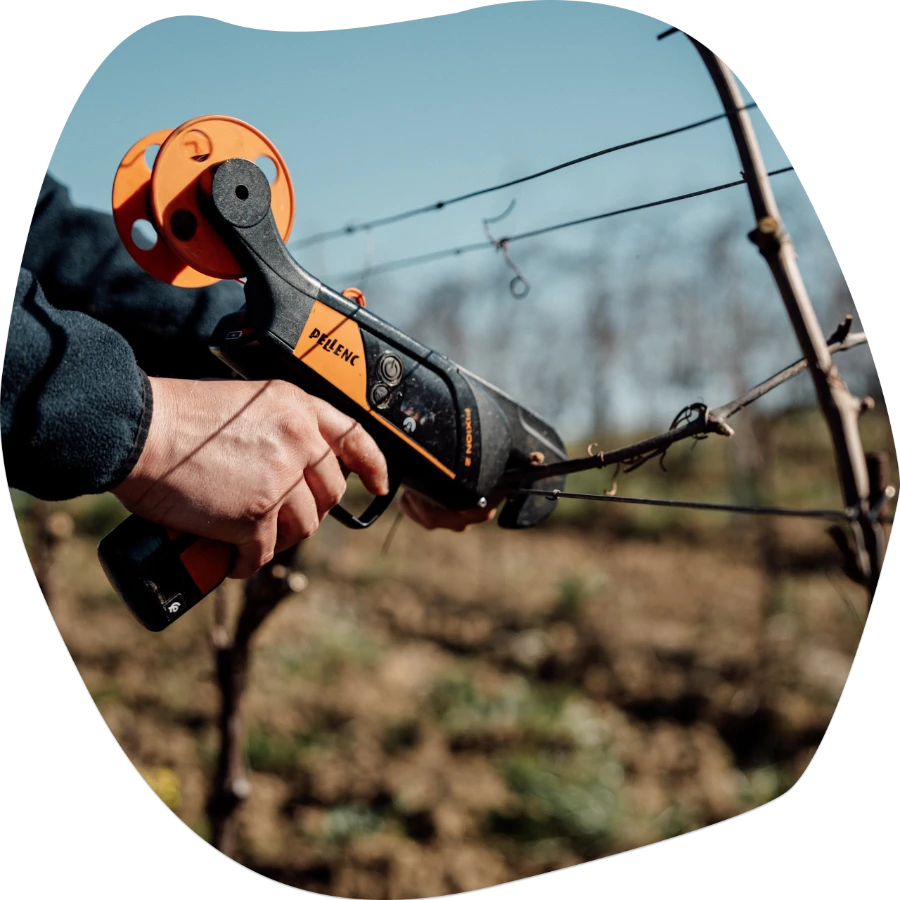
Their summers consisted of nights spent ‘dusting’ the vineyards with sulphur and long days in the sun, accompanied by the rhythm of the tiller’s feeler bar. Italo was at the wheel of the OM 650 DT Special, whilst Giuseppa, with her lightning-fast reflexes, operated the feeler bar which, via a hydraulic circuit, guided the tiller as it removed the weeds between the rows.
The 1990s coincided with his son’s return to the company Roberto, following his studies at the School of Oenology in Conegliano, Veneto.
His arrival marked the introduction of more modern techniques for managing the vineyard and the winery, along with the first bottling line.
In 1994, the company officially embarked on the path of organic farming, giving concrete form to a philosophy that had always inspired the family’s work.
Looking to the future
In the early 2000s, his daughter Emma, also joined the business, bringing with her her experience of biodynamic farming.
The first tasting room is opened, and the winery is becoming increasingly welcoming.
During the same period, new plots of land were purchased in the municipality of Bevagna, from which the first productions of Montefalco Sagrantino and Montefalco Rosso.
The third generation
In 2021, Filippo and Francescojoined the company, giving rise to the third generation of the family.
And so the Di Filippo Winery – Agricultural Organisationwas born, which builds on the legacy of previous generations and carries it forward into the future with a vision that is increasingly focused on sustainability.
Agricultural System
Organic and biodynamic practices are complemented by an agricultural model based on self-sufficiency.
The animals reared on the estate produce natural fertiliser which, together with the by-products of winemaking, is turned into compost and returned to the vineyards.
Today, this system enables us to apply fertiliser to around eight hectares each year, with the aim of gradually extending it to the entire farm area.
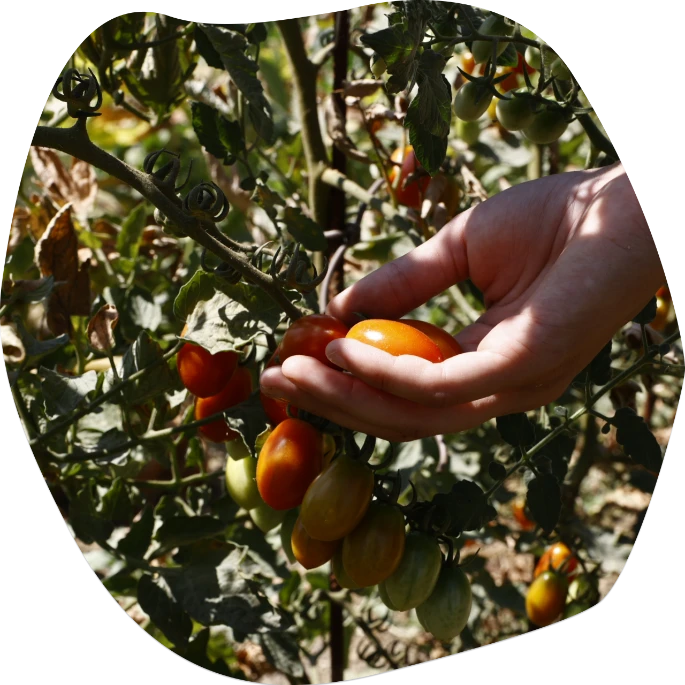
Fodder and cereals for animal feed are also produced on-site. In addition, the farm’s vegetable garden has been established, alongside an increasingly circular production system in which every resource is put to good use.
Innovation and sustainability
In recent years, the introduction of Industry 4.0 technologies, such as weather stations and vineyard monitoring systems, has enabled increasingly precise management of each plot, reducing the use of plant protection products authorised in organic farming by around 50 per cent.
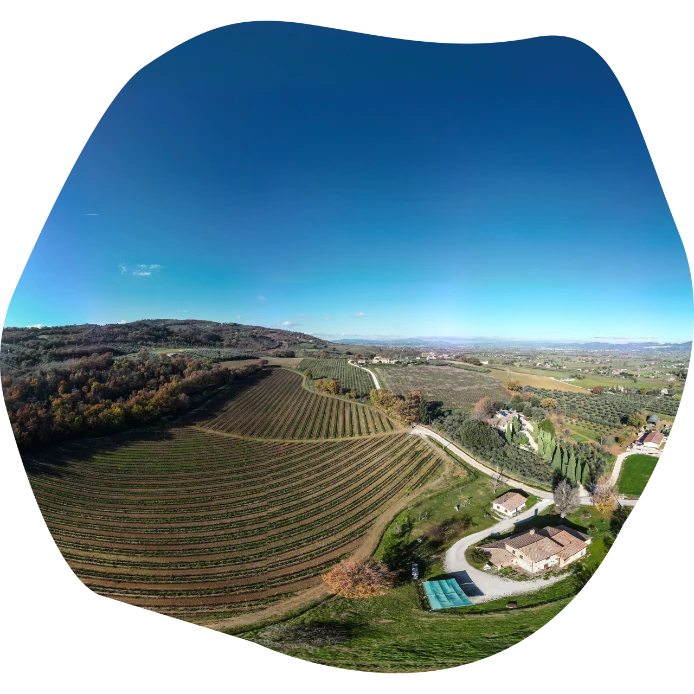
Today, Di Filippo Winery cultivates 35 hectares of its own vineyards, in addition to 15 hectares of leased land, making a total of 50 hectares under vine and a production of around 250,000 bottles. The estate also comprises arable land, pasture, olive groves and woodland, which contribute to its food and energy self-sufficiency.
Biodiversity and the future
From 2022, the journey towards greater biodiversity will be further enhanced by the installation of the first beehives in the Conversino vineyards, following years of planting honey-producing plants. At the same time, the expansion of solar panel installations and the in-house production of seeds for green manure continue.
Today, Cantina Di Filippo combines the wealth of knowledge built up over more than fifty years of history with the best available technologies, striving for increasingly sustainable and environmentally friendly farming practices, so that future generations may also continue to cultivate these lands.